
The original series

Born in Son.
Moving forward.

Archive

Thirteen cars.
A rare beginning.

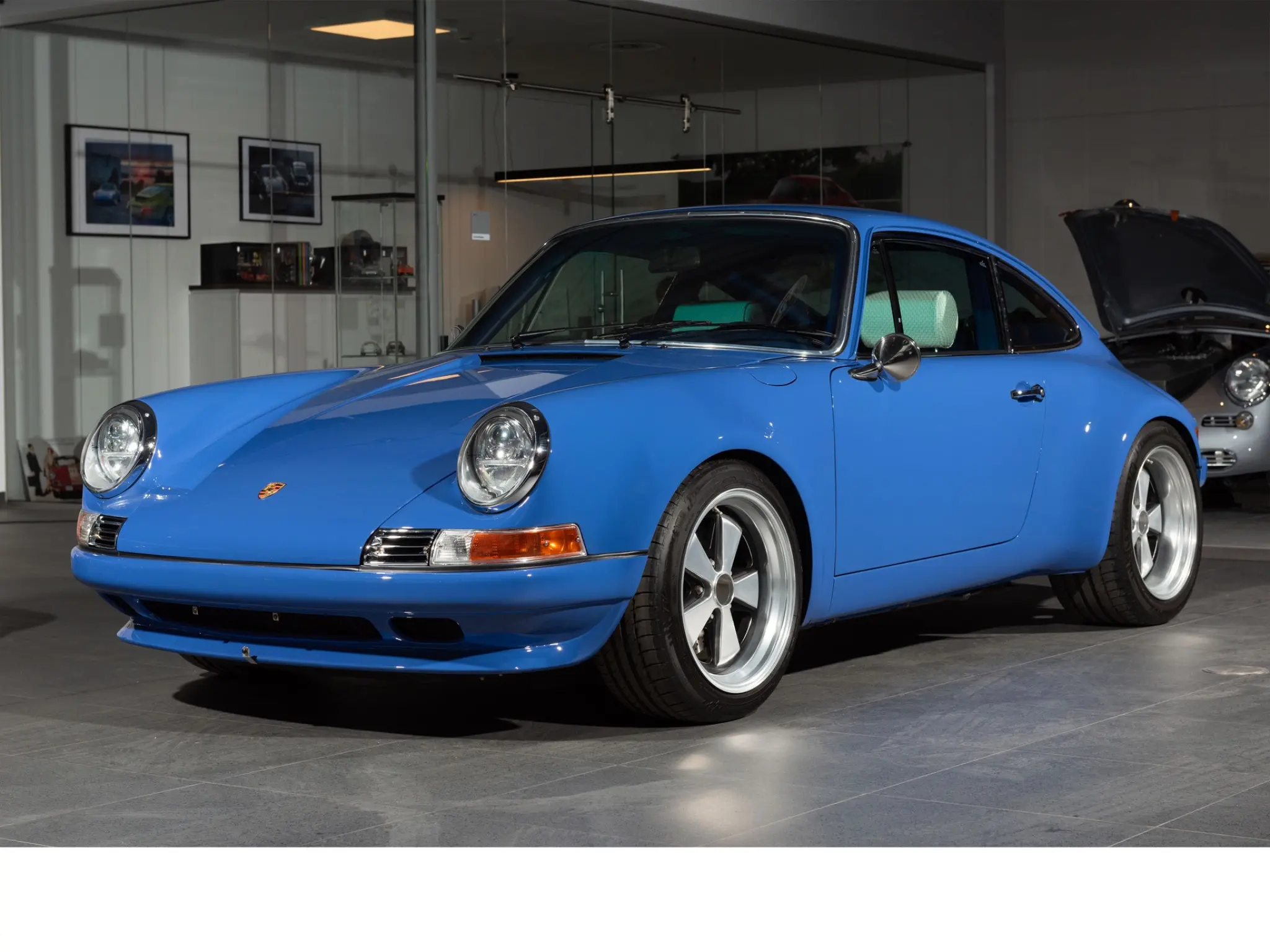
Sooner began as a very limited series of individually built classic 911 restomods connected to Son, Norway.

The current project protects that identity while developing the marque with a more disciplined commission method, documented engineering and a clear European client experience.

The numbered archive

The original thirteen.

The archive now follows the cars—not a generic gallery. Exterior, cabin and detail photography stays attached to its individual numbered Sooner.

Additional owner-authorised imagery can be added to the reserved entries without changing the structure.

01

Prototype

Classic Silver Metallic

3.8-litre · Martini competition identity

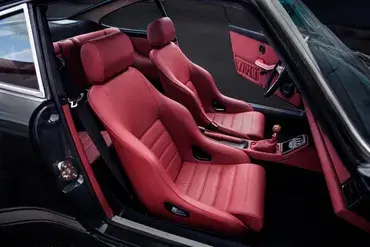
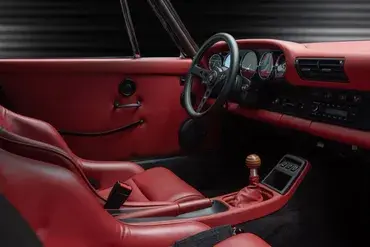
The prototype arrived without any interest in being discreet. Classic Silver Metallic became a canvas for Martini graphics, a red front valance and a cabin saturated in deep red leather. It feels like a car conceived after an evening spent looking through old paddock photographs, then translated for the road with sharper personal intent. Its 3.8-litre specification established the original Sooner idea clearly: preserve the emotional proportions of the early 911, then give the owner permission to be considerably more expressive.
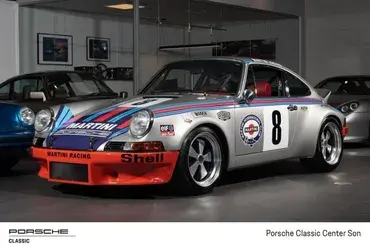
Original Sooner No. 1 Martini prototype exterior
Original Sooner No. 1 red interior
02

Original series

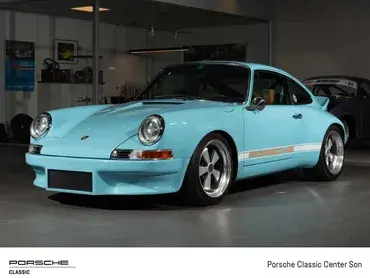
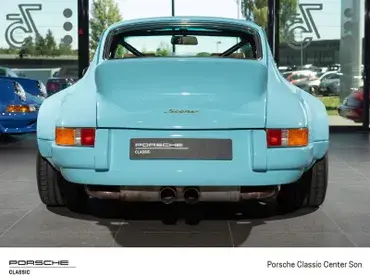
Gulf Blue

3.8-litre · 5-speed

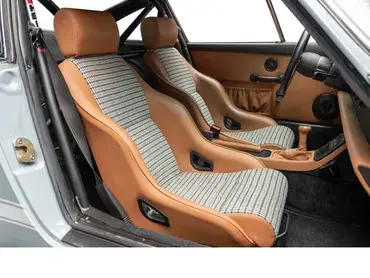
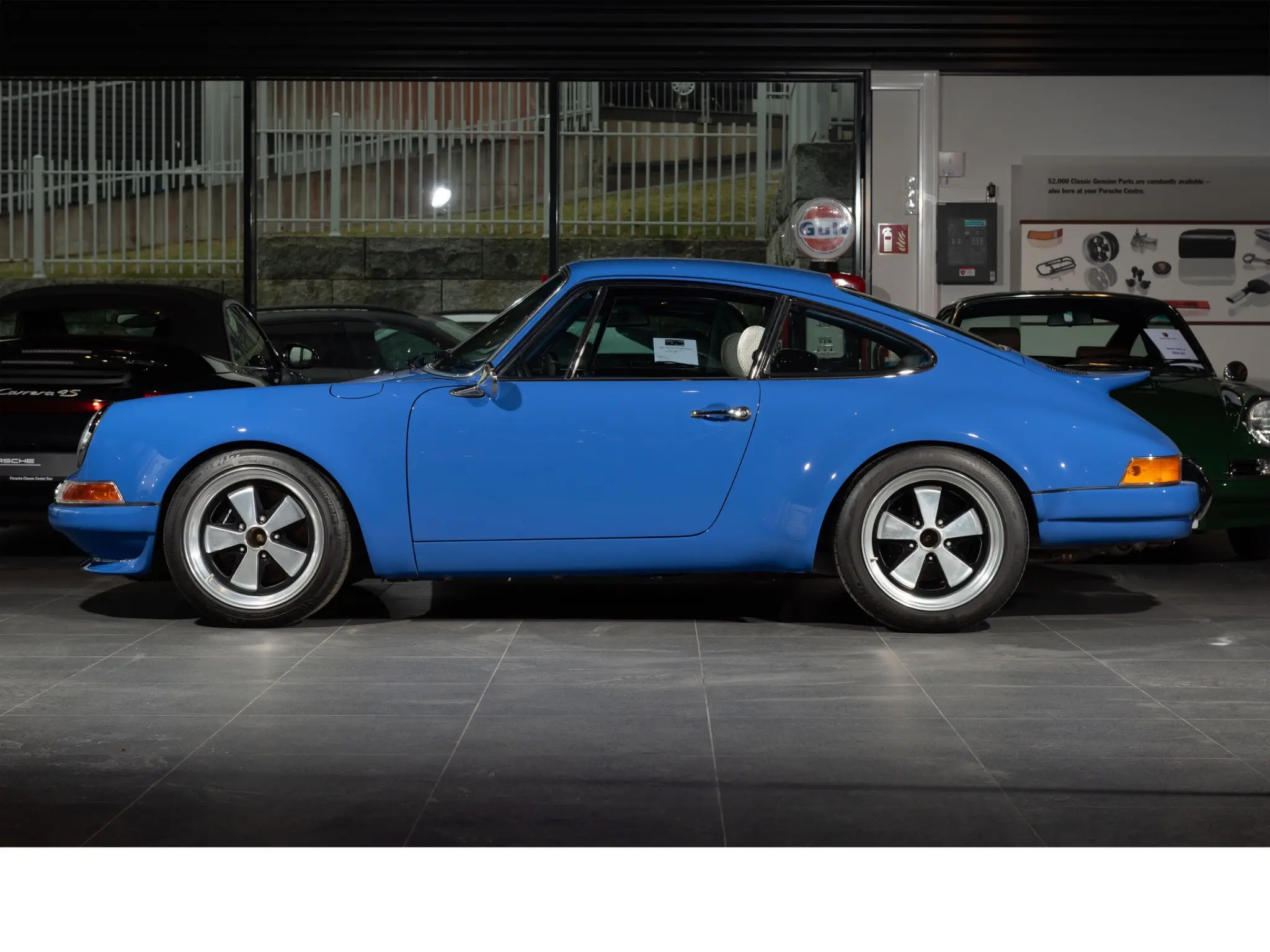
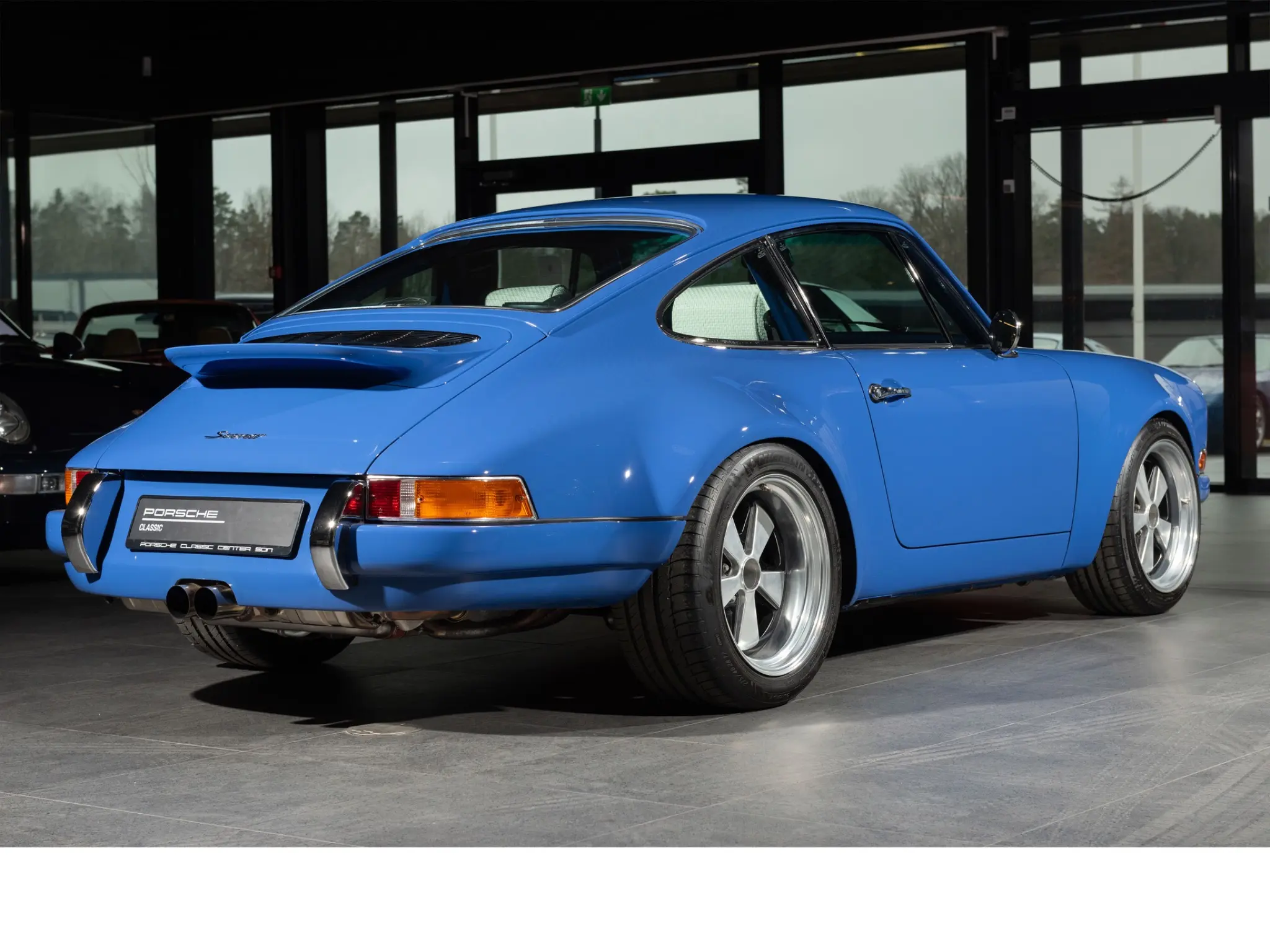
After the prototype’s competition energy, No. 2 changed the tempo. Gulf Blue softens the widened body and gives the car an almost Mediterranean ease, while the warm tan cabin makes it feel less like a machine prepared for an event and more like one prepared for a long road. The striped seat centres add just enough informality. This was the early Sooner language discovering elegance: still low, purposeful and mechanically serious, but composed around colour, tactility and the pleasure of opening the door each morning.

Original Sooner No. 2 Gulf Blue front view
Original Sooner No. 2 Gulf Blue rear view
Original Sooner No. 2 tan interior
03

Original series

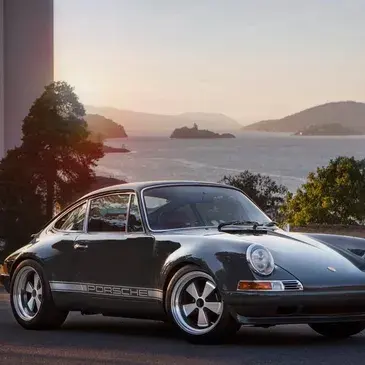
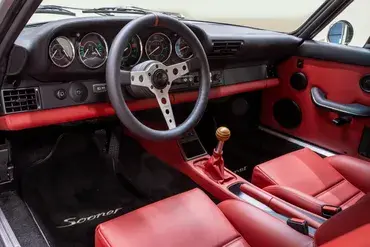
Slate Grey

3.8-litre · 5-speed

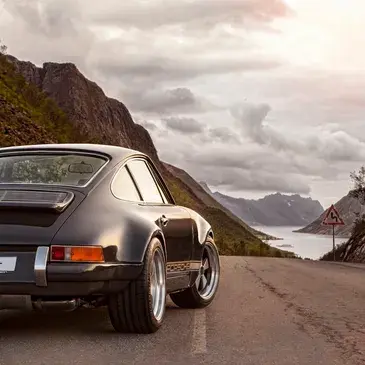
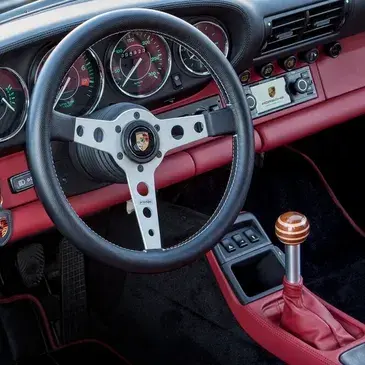
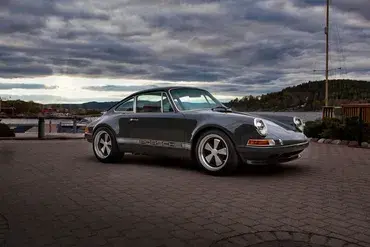
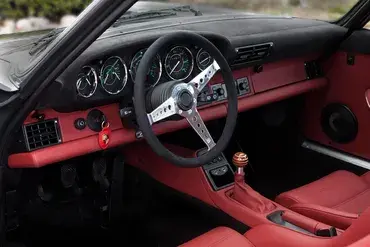
No. 3 appears quiet at first. Slate Grey allows the shape, stance and wheel position to speak before the colour does. Then the door opens and the character changes completely: a red dashboard, red transmission tunnel and red leather details turn the interior into the emotional centre of the car. That contrast became one of the most enduring lessons of the original series. Individuality does not require decoration everywhere; a disciplined exterior can make a boldly authored cabin feel more personal, surprising and memorable.
Original Sooner No. 3 Slate Grey front view
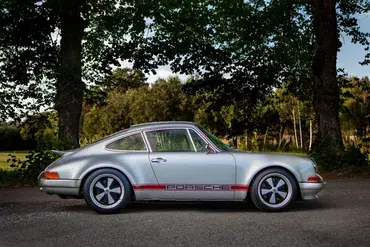
Original Sooner No. 3 Slate Grey rear view
Original Sooner No. 3 red dashboard
04

Bridge car

Maritime Blue

4.0-litre · 6-speed 993 transmission

Maritime Blue No. 4 feels like the point at which the original idea settled into maturity. The darker paint gives the car a formal, almost tailored presence, while the 4.0-litre engine and six-speed 993 transmission moved the mechanical character into a more substantial chapter. Its surviving photographs show a car that rewards every angle: compact in profile, muscular from behind and intimate around the driver. For today’s Sooner programme, it is more than an archive entry—it is the clearest physical bridge between the first chapter and what comes next.

Original Sooner No. 4 Maritime Blue front three-quarter
Original Sooner No. 4 profile
Original Sooner No. 4 rear three-quarter
Original Sooner No. 4 headlamp detail
Original Sooner No. 4 engine
05

Original series

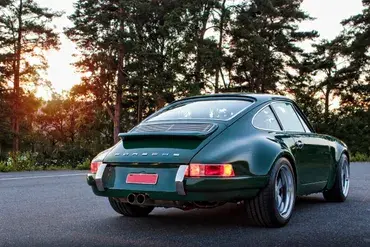
Irish Green

3.8-litre · 6-speed 993 transmission

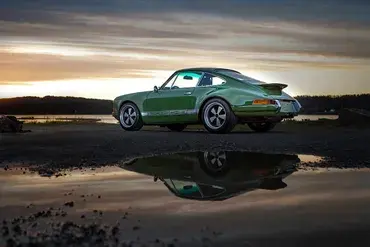
The first Irish Green Sooner carries itself with the confidence of something familiar, but the red cabin prevents it from becoming traditional. From the kerb it is reserved and deeply European; from the driver’s seat it is warm, vivid and theatrical. The six-speed 993 transmission added a different rhythm to the driving experience, yet the car’s real story is the dialogue between restraint and expression. No. 5 demonstrates how a single commission can belong equally to a quiet country road, a city arrival and the private ritual of its owner’s garage.

Original Sooner No. 5 Irish Green front view
Original Sooner No. 5 red interior
Original Sooner No. 5 rear three-quarter
06

Original series

Irish Green

4.0-litre · 6-speed 993 transmission

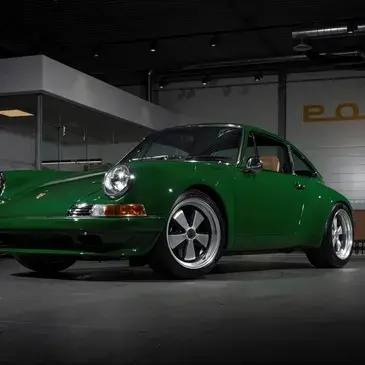
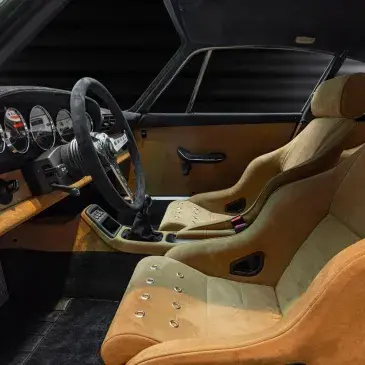
No. 6 begins with the same Irish Green family as the car before it, then tells a completely different story. The warm tan cabin replaces drama with calm, and the 4.0-litre specification gives the commission a deeper mechanical voice. Its sculpted seats and tactile surfaces suggest a car intended to be occupied for hours, not merely admired at rest. Seen beside No. 5, it proves how little needs to change on paper for the entire atmosphere to change in reality: engine character, leather tone and material warmth are enough to create another world.

Original Sooner No. 6 Irish Green studio view
Original Sooner No. 6 tan interior archive view
07

Original series

Slate Grey

4.0-litre · 6-speed 993 transmission

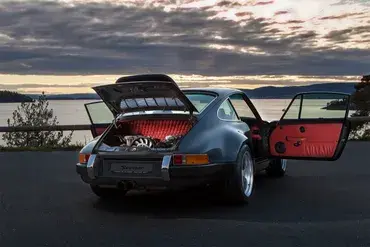
Slate Grey returned for No. 7, now paired with the stronger 4.0-litre and six-speed combination. The red interior gives the car an unmistakable pulse, but its most revealing photograph is the one with the panels open. There, the Sooner philosophy becomes visible as a whole rather than a collection of options: stance, cabin, engine presentation and the spaces normally hidden from view all belong to the same commission. It is a car that makes equal sense closed and complete, or opened up for a collector who enjoys understanding how it was resolved.

Original Sooner No. 7 open rear and red cabin
Original Sooner No. 7 red seats
Original Sooner No. 7 Slate Grey exterior
Original Sooner No. 7 red dashboard
08

Original series

Olive Green

4.0-litre · 6-speed 993 transmission

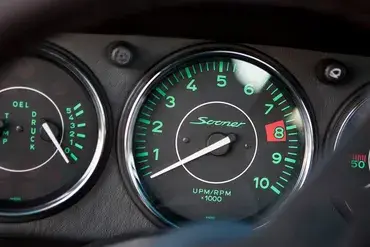
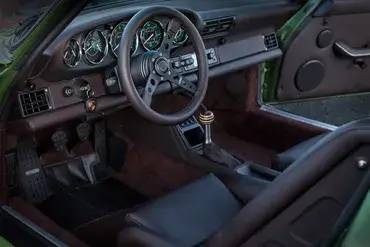
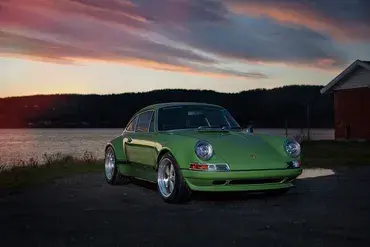
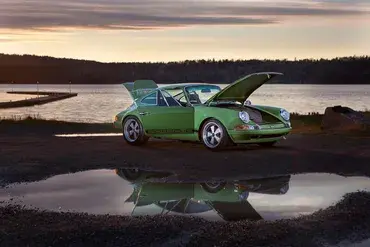
Olive Green gives No. 8 a softer, more lived-in presence—less formal than the darker greens and especially sympathetic to the compact early body. Inside, darker materials and dedicated Sooner instruments bring the focus back to driving. The images of the car with its doors and engine lid open make this one of the archive’s most revealing commissions. It reads almost like a cutaway drawing brought to life, showing how body colour, cabin atmosphere and mechanical package were intended to meet rather than exist as separate layers.

Original Sooner No. 8 Olive Green exterior profile
Original Sooner No. 8 Sooner instruments
Original Sooner No. 8 black interior
Original Sooner No. 8 Olive Green front view
Original Sooner No. 8 with front and rear panels open
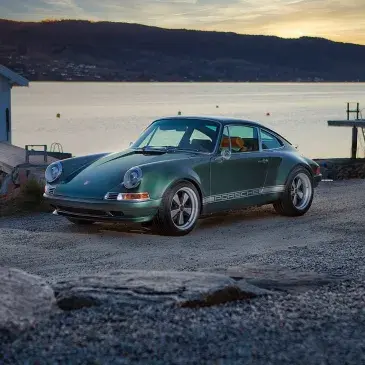
09

Original series

Oak Green

4.0-litre · 6-speed 993 transmission

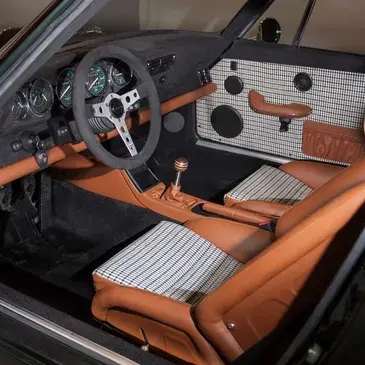
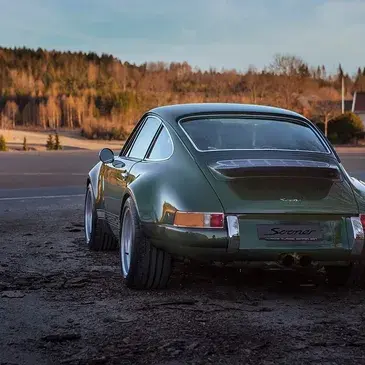
Oak Green deepens the silhouette of No. 9, particularly in the rear view where the broad shoulders and polished wheel lips catch the last light. The cabin moves in the opposite direction: tan leather and houndstooth introduce warmth, texture and the feeling of a beautifully tailored object. Nothing depends on a graphic or an obvious statement. Its individuality is discovered gradually—in the weave of the seat centre, the contrast of the door card and the way natural materials change the mood around the driver.

Original Sooner No. 9 Oak Green front view
Original Sooner No. 9 tan and houndstooth interior
Original Sooner No. 9 Oak Green rear view
10

Original series

Brewster Green

4.0-litre · 6-speed 993 transmission

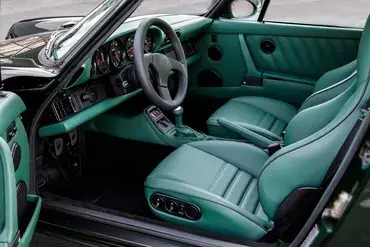
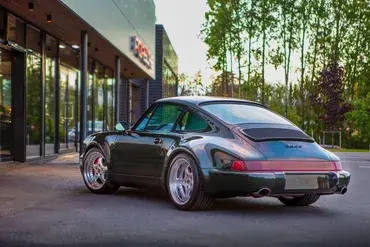
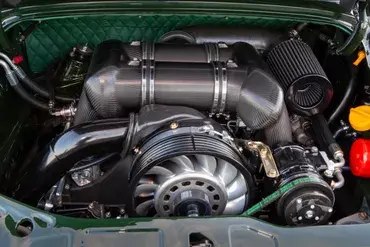
Brewster Green is among the most discreet colours in the original series, which makes the teal cabin of No. 10 all the more unexpected. The car reveals itself in stages: first as a dark, beautifully proportioned coupé, then as a highly personal interior, and finally as a serious mechanical object when the engine is exposed. That sequence captures Sooner at its most complete. The owner’s character is not announced from a distance; it waits in the details, materials and engineering for those invited close enough to see it.

Original Sooner No. 10 Brewster Green front view
Original Sooner No. 10 teal interior
Original Sooner No. 10 rear three-quarter
Original Sooner No. 10 engine
11

Original series

Macadamia Brown Metallic

4.0-litre · 6-speed 993 transmission

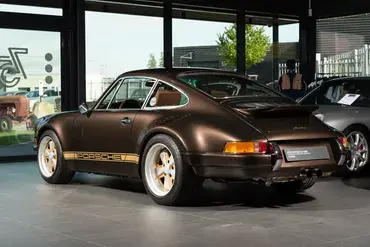
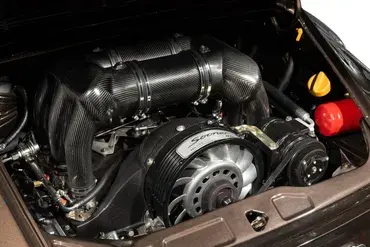
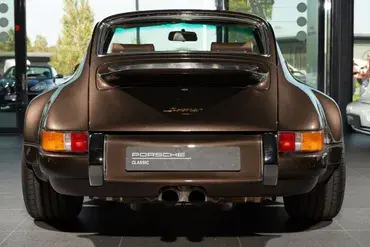
Macadamia Brown Metallic moved the series into richer and more unusual territory. Under showroom light the paint shifts between bronze, coffee and dark chocolate, while gold-toned wheel details make the whole car feel deliberately warm. It has the atmosphere of a finely made travel object rather than a conventional sports car. The carefully presented engine completes that impression: No. 11 was conceived to reward attention beyond the visible surfaces, giving the owner something new to notice each time a panel is opened or the light changes.

Original Sooner No. 11 Macadamia Brown rear three-quarter
Original Sooner No. 11 engine
Original Sooner No. 11 rear view
12

Original series

Silver Metallic

4.0-litre · 6-speed 993 transmission

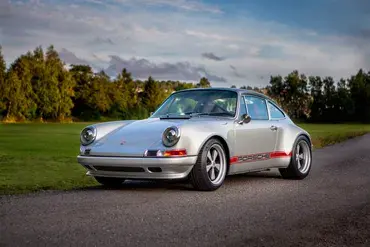
The penultimate car returned to Silver Metallic, allowing the architecture of the shape to stand almost without distraction. In profile it is precise, balanced and familiar in the best sense. The red cabin then interrupts that calm with a burst of personality, turning a seemingly classical specification into something unmistakably individual. No. 12 feels like a lesson in proportion and timing: the exterior earns trust through restraint, while the interior saves its strongest expression for the person who actually drives it.

Original Sooner No. 12 Silver Metallic front view
Original Sooner No. 12 red interior
Original Sooner No. 12 Silver Metallic profile
13

Final original-series car

Bahama Yellow

4.0-litre · 6-speed 993 transmission

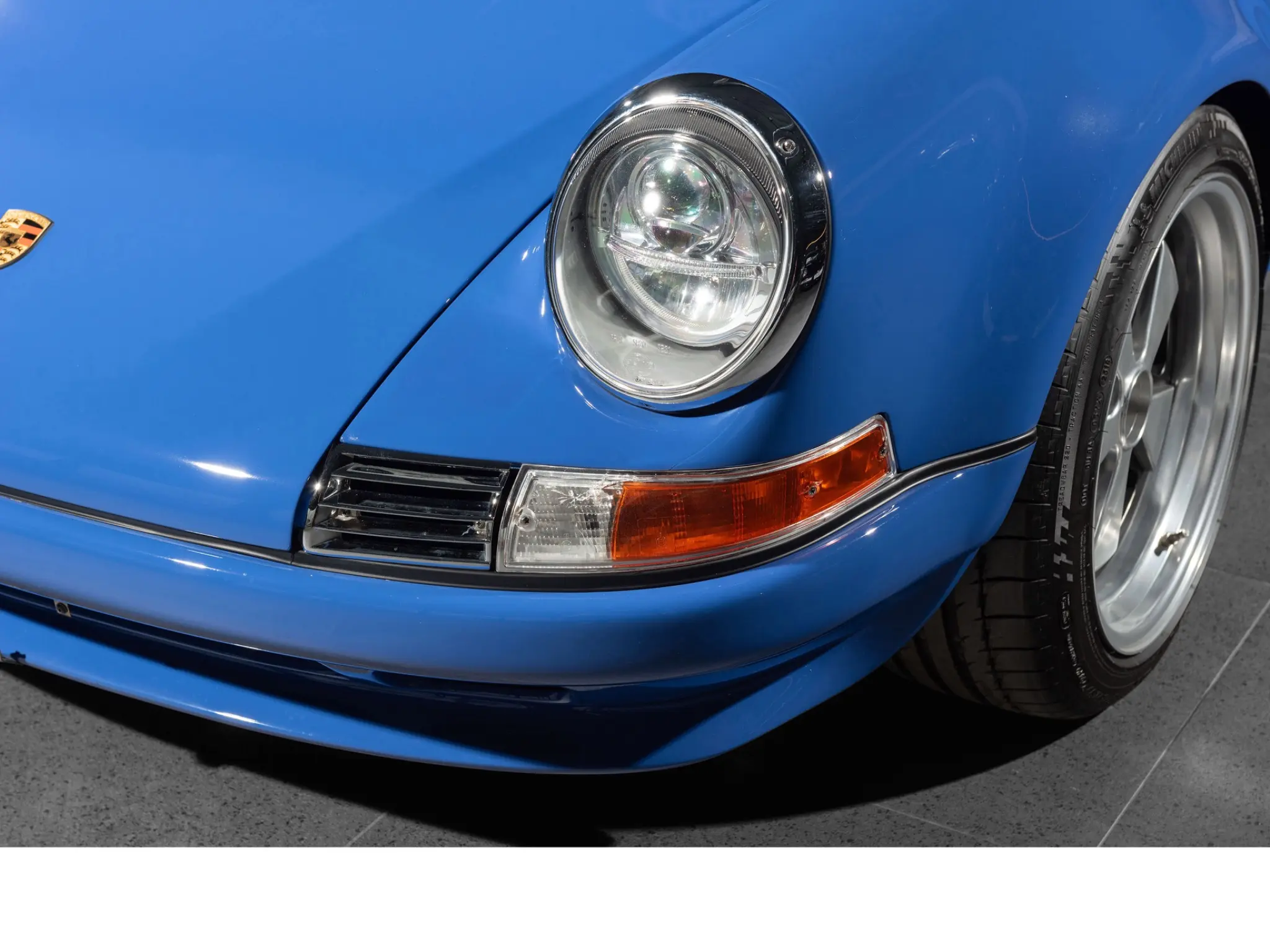
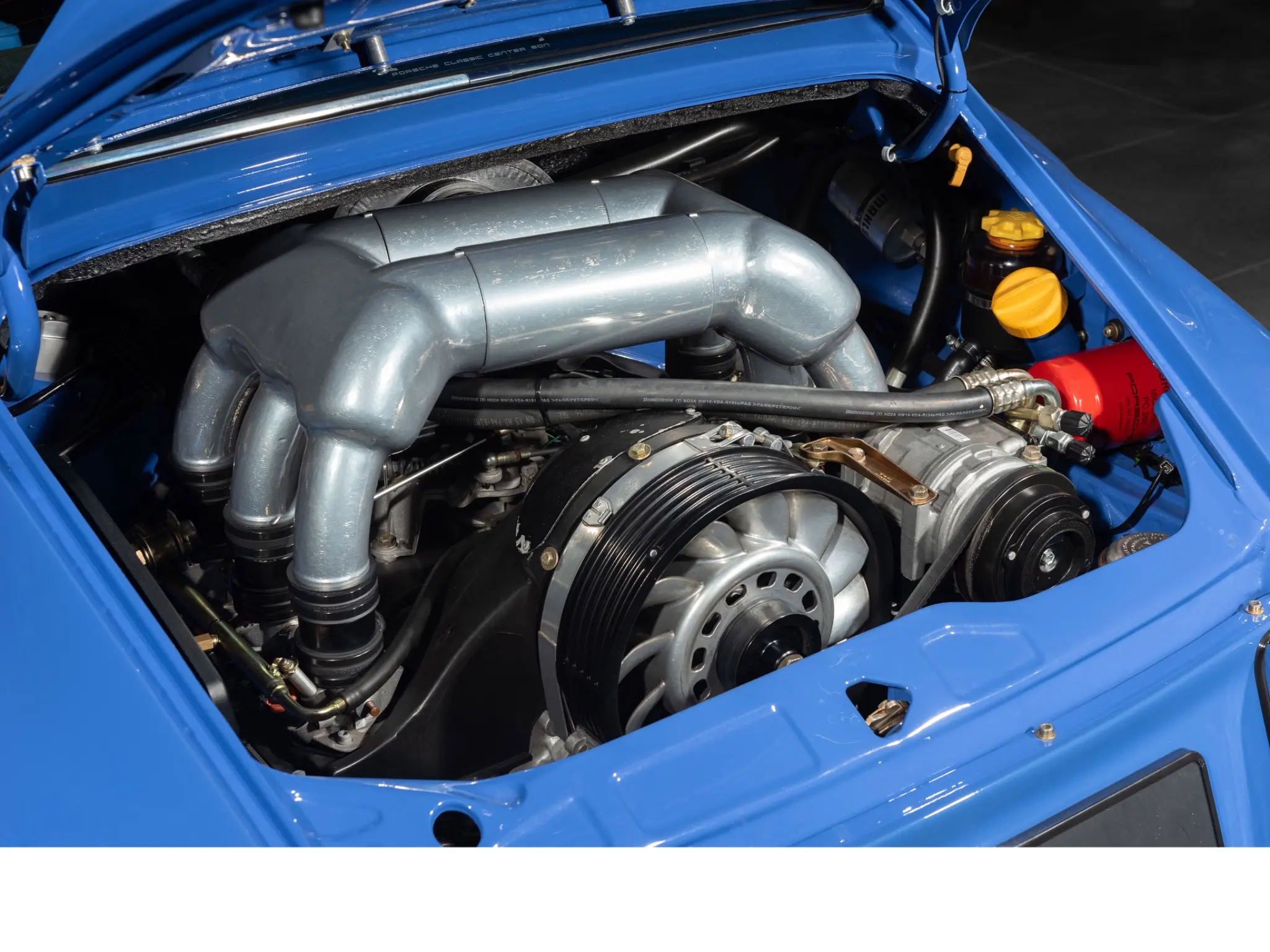
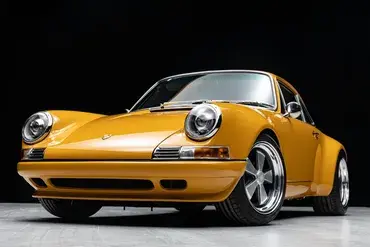
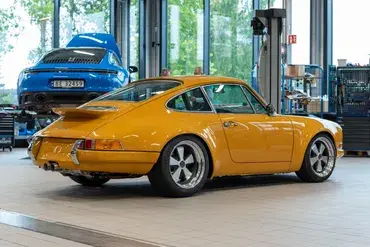
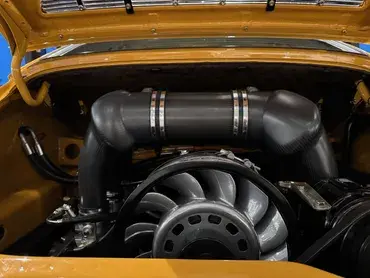
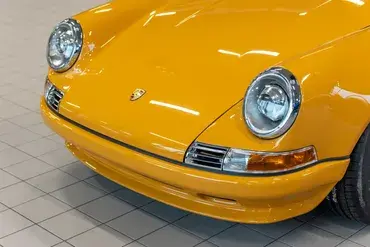
Bahama Yellow gave the thirteenth and final original-series car a natural sense of occasion. The colour makes every curve, widened shoulder and change of surface easy to read, while the compact proportions keep the result playful rather than overwhelming. Close photographs of the nose and engine bring the story back to craftsmanship and mechanical substance. It is an appropriate ending to the first chapter: as visually confident as the Martini prototype, but now carrying the accumulated assurance of twelve individual commissions before it.

Original Sooner No. 13 Bahama Yellow hero view
Original Sooner No. 13 rear three-quarter
Original Sooner No. 13 engine
Original Sooner No. 13 front detail
Continuity

From evidence
to intention.

The original cars are not treated as decoration. Their physical details—the stance, compactness, surfaces and personal decisions—form the evidence from which the next Sooner language grows.

Sooner 2.0 is intended to sharpen rather than disguise that identity. It introduces a more resolved cabin, stronger material authorship, contemporary usability and a commission process that records why every decision was made.

Recognisable as Sooner.
Resolved for today.

The next chapter is not a rejection of the original cars. It is a more exact expression of the same instinct: compact proportions, a distinctive stance, analogue involvement and individual character.

Continue the story

From archive to Atelier

See how provenance becomes a controlled European commission.

Follow the story to Modena